

Exploring the fascinating evolution of casinos through the ages
The Origins of Gambling and Early Casinos
The concept of gambling dates back thousands of years, with evidence found in ancient civilizations such as China, Egypt, and Rome. These early forms of gambling often involved simple games of chance, using rudimentary tools like dice and betting tokens. In ancient China, for instance, gambling was a popular pastime among the nobility, with games like Pai Gow emerging around 2000 BCE. This laid the foundation for later, more structured forms of gaming. Today, modern platforms like https://vibe-bet.uk/ continue this legacy with their advanced technology.
By the time the Roman Empire reached its zenith, gambling had become a widespread activity among all classes. The Romans introduced various games, such as betting on gladiatorial contests and the use of dice. As the empire expanded, so did the popularity of these games, leading to the establishment of venues where people could gather to gamble, effectively the earliest forms of casinos. These sites were often luxurious, catering to the affluent while providing a communal space for entertainment and risk.
The transition from informal gambling to organized establishments occurred during the Renaissance period, particularly in Italy. Here, the first official casinos emerged in the 17th century, most notably the Casino di Venezia. These establishments not only popularized gaming but also introduced regulations, formalizing the gambling process. This marked a significant evolution, transitioning gambling from a casual activity to a structured social experience, paving the way for modern casinos.
The Rise of Modern Casinos in the 19th Century
The 19th century witnessed a significant transformation in the casino industry, particularly with the establishment of casinos in Europe. The first modern casino, the Casino de Monte-Carlo, opened its doors in 1863 and set the standard for luxury and sophistication in gaming establishments. This casino not only offered various games but also created an opulent atmosphere, attracting the wealthy elite from across Europe. This era marked a turning point, as casinos became synonymous with glamour and high-stakes gambling.
During this period, the introduction of new gaming technologies revolutionized the casino experience. The invention of the roulette wheel and standardized card games brought consistency and excitement to gambling. The popularity of these games spread rapidly, influencing gambling culture across Europe and even reaching America. The allure of casinos began to draw in tourists, creating a new economic model that relied heavily on tourism and entertainment, shaping the future of the industry.
In the United States, the gold rush and the subsequent westward expansion led to the establishment of gaming venues in cities like New Orleans and San Francisco. These venues often had a more rugged charm compared to their European counterparts, catering to a diverse clientele. The Wild West era brought about informal gambling houses, saloons, and the emergence of iconic poker games, making casinos a staple of American culture. This evolution set the stage for the lavish casinos that would later emerge in Las Vegas and beyond.
The Las Vegas Boom and the Casino Revolution
The mid-20th century marked a significant turning point in the evolution of casinos, particularly with the rise of Las Vegas as a gambling capital. After Nevada legalized casino gambling in 1931, Las Vegas began to attract investors eager to capitalize on the burgeoning industry. The opening of iconic establishments like The Flamingo in 1946 symbolized the start of an era where casinos transformed into colossal entertainment complexes that offered far more than just gaming.
The combination of themed environments, extravagant shows, and world-class dining elevated the casino experience to new heights. This era saw the blending of hospitality and gaming, with resorts like Caesars Palace exemplifying this trend. As the clientele grew more diverse, casinos began to cater to families and leisure travelers, expanding their offerings to include shopping, dining, and entertainment options beyond gambling.
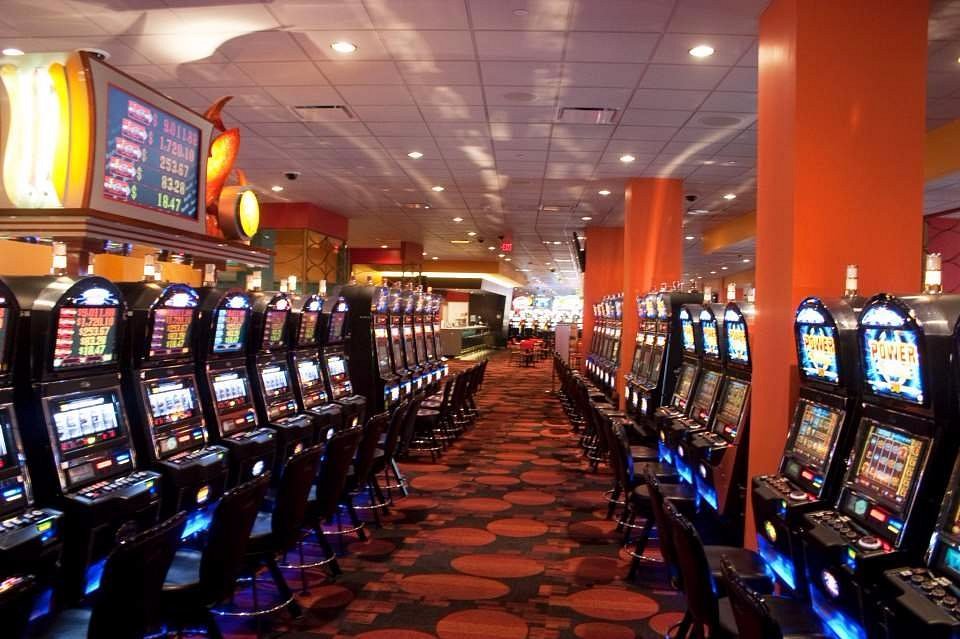
Technological advancements also played a crucial role during this period, with the introduction of electronic slot machines and video gaming. These innovations made gambling more accessible and engaging, attracting a younger audience who were less inclined to play traditional table games. The evolution of casino design to accommodate these new technologies not only changed the physical space but also altered the overall gaming experience, making it more immersive and appealing.
The Digital Revolution and Online Gaming
The advent of the internet in the late 20th century brought about yet another seismic shift in the casino landscape. With the launch of online casinos in the late 1990s, gamblers could now play their favorite games from the comfort of their homes. This new era democratized gambling, allowing players from various backgrounds to access a plethora of gaming options without the need for physical presence in a casino.
Online casinos introduced innovative features such as live dealer games, which combined the authenticity of in-person gaming with the convenience of online platforms. Players could interact with real dealers via video streams, enhancing the immersive experience. This evolution not only maintained the social aspect of gaming but also attracted a tech-savvy generation eager for novel entertainment options.
Furthermore, advancements in mobile technology have revolutionized how people engage with casinos. Mobile apps allow players to gamble on the go, broadening the reach of online gaming. This shift has prompted traditional casinos to adapt by offering online platforms, ensuring they remain competitive in an increasingly digital world. The future of casinos appears to be intertwined with technological evolution, promising exciting developments on the horizon.
Discovering VibeBet: The Future of Online Gaming
As the landscape of casinos continues to evolve, platforms like VibeBet are at the forefront of this transformation. Launched in 2024, VibeBet offers a state-of-the-art online gaming experience with an emphasis on safety and entertainment. With a vast selection of over 3,000 games, including slots, live dealer games, and instant-win titles, VibeBet is designed to cater to the diverse tastes of players while ensuring a thrilling gaming environment.
The platform’s commitment to player safety is evident, as it operates under a license from Curaçao, which guarantees fair gaming practices and secure transactions. This allows players to enjoy their favorite games with peace of mind, knowing that their information is protected. Coupled with a generous welcome package and 24/7 customer support, VibeBet provides an accessible and enjoyable gaming experience for all users.
In an era where technology continues to shape the way we play, VibeBet embodies the future of online casinos. Its innovative approach, combined with a commitment to customer satisfaction, positions it as a leading platform in the ever-evolving gaming industry. As we explore the fascinating evolution of casinos, it is clear that establishments like VibeBet are paving the way for the next chapter in the casino experience.